For decades, the global narrative about manufacturing in Mexico has been anchored to a single concept: low-cost labor.
This simplistic stereotype, while once useful for initial investment, today is an obstacle that obscures the country's true, powerful value proposition: a highly qualified workforce, growing Research and Development (R&D) centers, and a unique capacity for high-value manufacturing.
For U.S. manufacturing companies and foreign manufacturers seeking a genuine competitive advantage through nearshoring, dismantling this myth is crucial. The decision to operate in Mexico is no longer based on the hourly cost; it is based on Human Capital and the quality of production processes that can be developed.
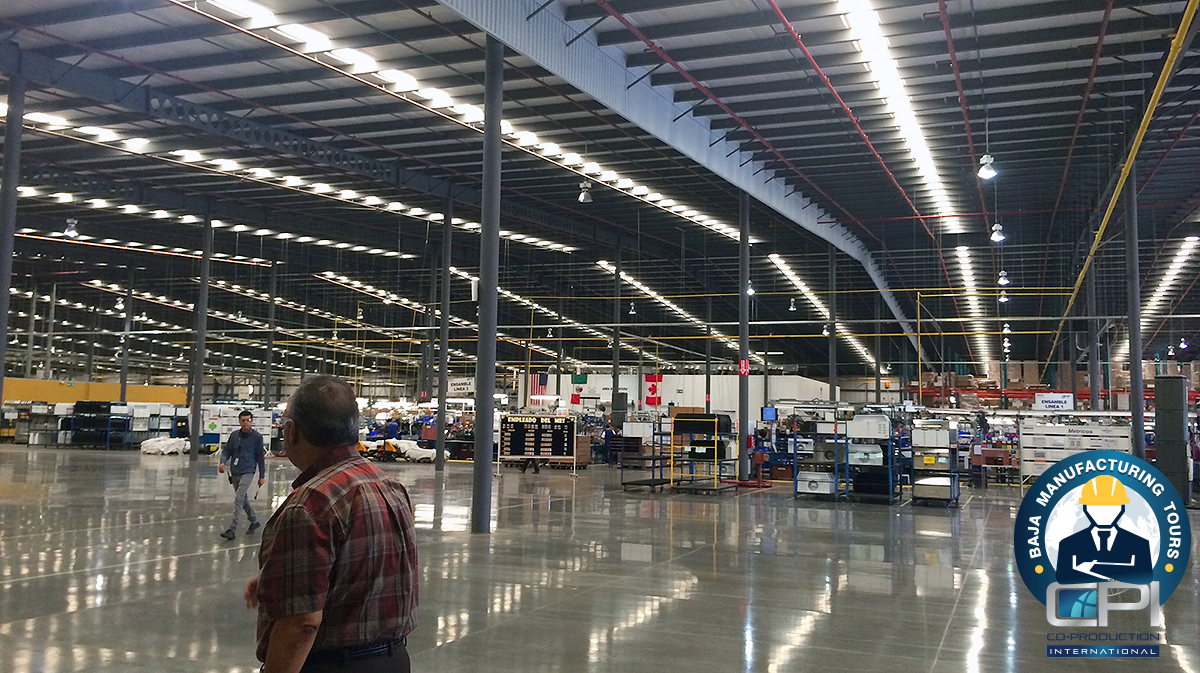
At Co-Production International (CPI), the evidence is daily: we detect a key migration in the operational profile of our clients. The data is compelling and dismantles the outdated narrative: 40% of the new nearshoring operations assisted by CPI include R&D centers or advanced prototyping processes.
CPI guides foreign manufacturers through a detailed talent and risk assessment, proving that investment in manufacturing in Mexico is, in fact, a strategic investment in the future of engineering and innovation.
Myth vs. Reality: The Evolution of the Mexican Workforce (The Engineer Factor)
1.The real operational risk today does not lie in the payroll cost, but in the inability to access the specialized talent and qualified labor required by modern production processes and Industry 4.0.
-
- Human Capital Production: Mexico produces over 120,000 graduating engineers and technicians annually in fields directly applicable to advanced manufacturing, surpassing many OECD countries in per capita percentage.
- Curriculum Alignment: The technical and university education system in Mexico is intrinsically linked to the needs of specific sectors, such as automotive manufacturing, aerospace, and medical devices. This ensures that specialized talent is production-line ready
2. The Bilingual Factor and Operational Efficiency
An element often ignored in the talent and risk assessment is communication capability.
-
- Bilingual and Technical Skills: The new generation of engineers and technicians possesses not only advanced technical skills (automation, robotics, data science) but also fluency in English. This competence facilitates direct, friction-less communication with U.S. headquarters.
- 6Reduction of Operating Costs: Eliminating linguistic and communication barriers reduces the need for costly expatriate staffing and accelerates the transfer of technology and knowledge. This directly translates into a reduction of operating costs in training and management.
3. Myth: It is Difficult to Find Experienced Operational Leadership.
Reality: High foreign investment in the country over the last few decades has generated a vast pool of experienced local leadership.
Unlike many markets abroad where supply chains have been static, the dynamism of Mexican industry has generated a robust leadership ecosystem:
-
- Quality Professionals: Engineers and Managers who have worked in multiple global manufacturing facilities, rigorously handling ISO quality standards, Lean Manufacturing, and Six Sigma.
- Cost-Effective Leadership: Hiring a plant manager with 15 years of experience in Mexico remains significantly more cost-effective than importing or relocating a foreign executive, with the added benefit of deep knowledge of the local labor culture.
Mexico: Engineering & Tech talent Hub
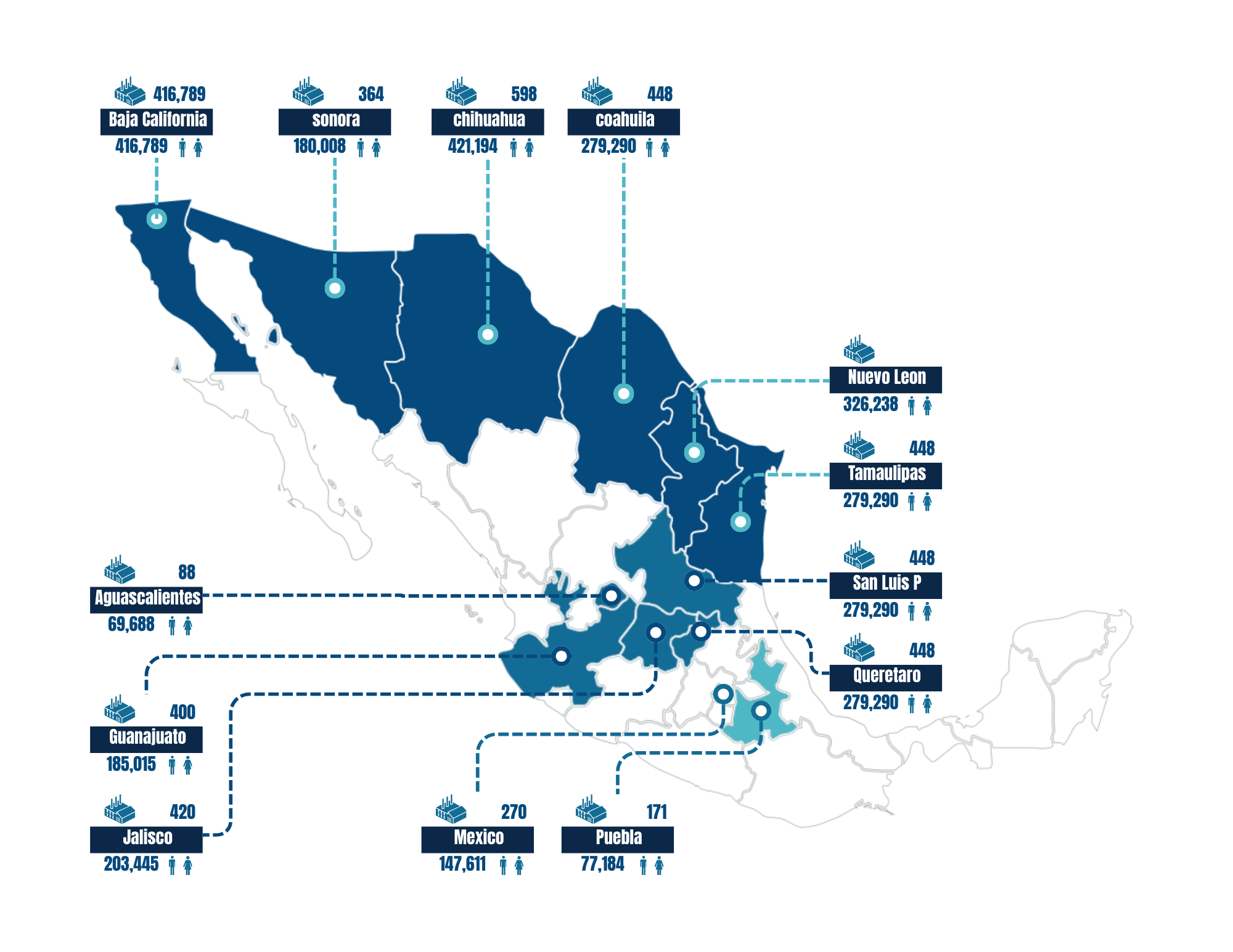
The High-Value Human Capital Strategy (The Shelter as an R&D Accelerator)
To capture Mexico's competitive advantage, foreign companies must shift their mindset from "recruiting" to "developing a Talent Pipeline." This is where the Mexico shelter program becomes a strategic tool that facilitates high-value manufacturing.
1. The Role of the Shelter Program as a Strategic Bridge
The Mexico shelter program is not limited to payroll management; it is an operational risk program that protects and accelerates the Human Capital function.
-
- Specialized Talent Attraction: CPI utilizes recruitment networks focused on engineering and technical profiles, rather than just general labor. The search targets profiles capable of improving the product or service, not just assembling it.
- Labor Compliance Management: The shelter program absorbs labor and regulatory risk, allowing the client's HR team to focus 100% on training, retention, and culture within the manufacturing facility, instead of wasting time on bureaucracy and administration.
2. R&D Investment as a Risk Reducer and Value Accelerator
True supply chain diversification means moving not only production but also intellectual capital. The trend that 40% of new operations include R&D is a testament to the confidence in Mexico's intellectual capacity.
-
- R&D Centers in Mexico: Establishing R&D centers near manufacturing operations in Mexico reduces the risk of design flaws, shortens development cycles, and accelerates the implementation of improvements. Engineers designing the product or service are hours, not weeks, away from the production line.
- Competitive Advantage of Local Design: This proximity allows for rapid adaptation of production processes to North American market demands and agile reaction to any challenge.
3. Active Collaboration with the University Ecosystem
To ensure the sustainability of the Talent Pipeline, collaboration is key.
-
- University Integration: Many states with advanced manufacturing have active collaboration programs with prestigious universities. This allows foreign companies to fund labs, offer internships, or co-design academic programs in exchange for preferential access to the best graduates.
- Talent Sustainability: This strategy ensures that the flow of specialized talent continues to feed manufacturing operations in Mexico long-term, mitigating the risk of skilled labor shortages.
Beyond Assembly: The Future of Advanced Manufacturing
The future of nearshoring is not about replicating Asia's mass production, but about building the advanced manufacturing required by the adoption of Industry 4.0 and digital transformation. This is the playing field where Mexican talent truly excels.
1. Sophisticated Manufacturing Processes and Automation
Technology Migration: Manufacturing operations in Mexico are rapidly migrating toward automated and complex production processes. This requires engineers and technicians specialized in predictive maintenance, robotics, and software.
Skill Development: The focus shifts from cost per hour to efficiency per hour, where specialized talent can optimize the performance of machinery and automation systems.
2. Talent Sustainability and Investment Strategy
Long-Term Return: Investing in the development of this Human Capital is not an operating cost; it is a way to secure a long-term competitive advantage that cannot be replicated simply by low-cost labor in other markets.
Risk Mitigation: By prioritizing specialized talent and innovation, manufacturing companies reduce their reliance on volatile mass labor markets.
Mexican Talent as an Investment Strategy
The myth that manufacturing in Mexico is only basic assembly is outdated and dangerous, preventing supply chain leaders from seeing the strategic value.
The move toward nearshoring is a supply chain diversification strategy driven by the need for specialized talent and R&D capability.
CPI’s Mexico shelter program not only facilitates efficient entry but ensures your manufacturing facility is staffed with the Human Capital necessary for high-value manufacturing. Stop basing your decisions on the list price of labor. Start basing them on a solid talent and risk assessment.
The 40% data from CPI demonstrates that the future of manufacturing in Mexico is engineering.
Click here to schedule your talent and risk assessment with Co-Production International.



.png)
 USA Corporate Office
 México Corporate Office
 Monterrey Nuevo León Office